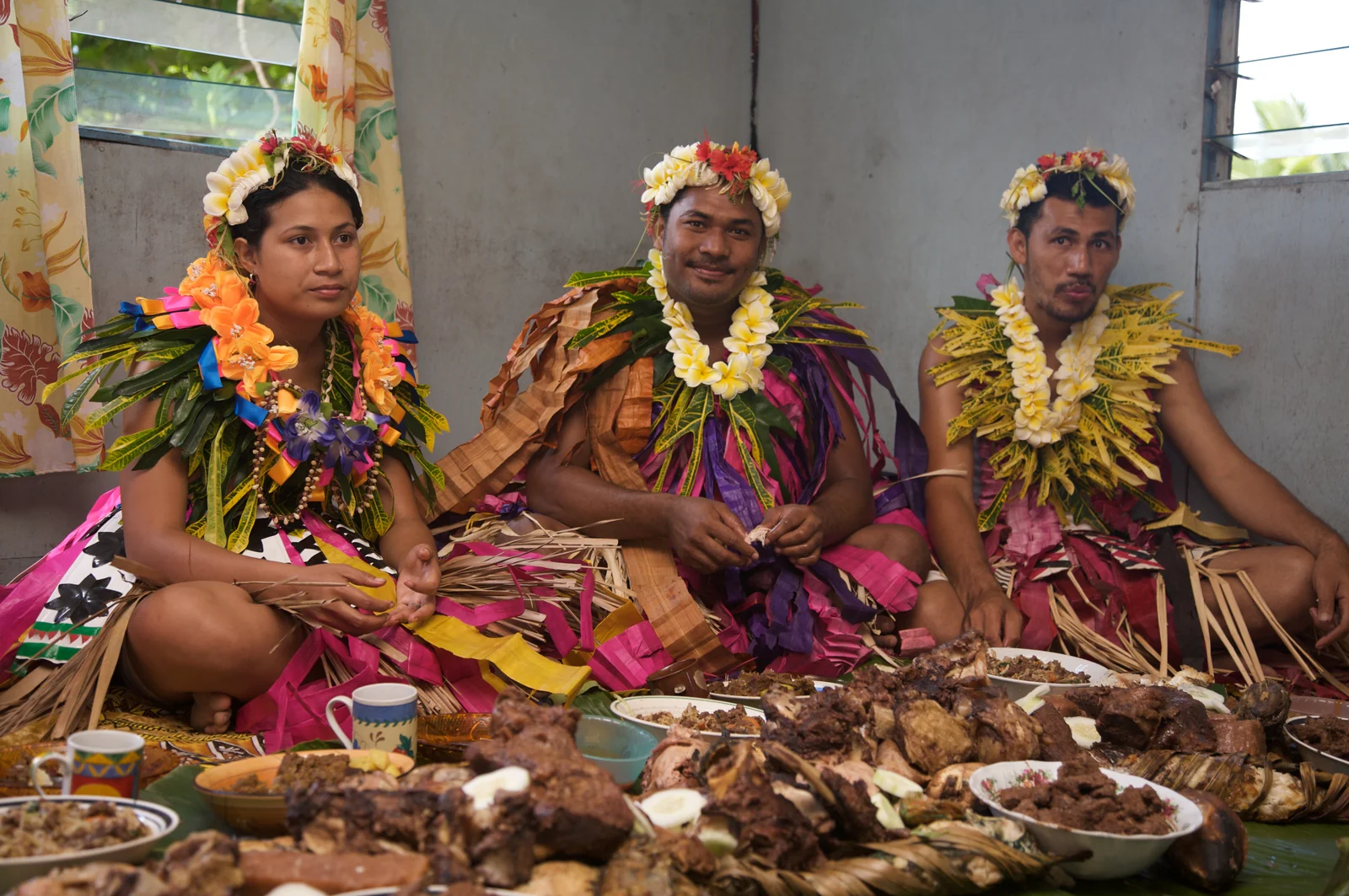
There is much more to eating in Fiji than picking a seafood dish beside the water. Indigenous iTaukei food traditions sit alongside Indo-Fijian and other culinary influences. A few familiar names can help you start reading a menu, but leave room for the dish your host is excited to explain.
Start with kokoda
Kokoda combines citrus-marinated fish with coconut milk and ingredients such as onion, tomato, cucumber and chilli. It is often described as Fiji’s take on ceviche. The version on your plate will depend on the cook, the fish and the ingredients available; there is no need to expect every restaurant to serve an identical bowl.
Ask what fish is being used and how the dish is prepared. If you prefer cooked seafood, say so when ordering and ask for a suitable alternative. A conversation with the kitchen is more helpful than guessing from an unfamiliar menu name.
Lovo is a way of cooking
Lovo refers to cooking in an earth oven, rather than one fixed recipe. Heated stones and layers of leaves help cook a shared feast that can include root crops, vegetables, fish and meat. Its preparation brings people together, and the method is associated with community gatherings and celebrations.
Resort cultural evenings and cooking experiences offer ways for visitors to encounter it. Ask what the experience includes, what will be cooked and whether there is an opportunity to learn about the preparation. Book around the actual programme; do not assume a lovo dinner is available every evening.
Pay attention to the sides
Dalo is taro, while rourou refers to its leaves, cooked into dishes such as soups and other preparations. Cassava, sweet potato and breadfruit are also useful names to recognise. They offer a way to explore the meal beyond the main protein.
A market visit can put names to ingredients you have seen on a plate. Ota is a freshwater fern, and nama is an edible seaweed often called sea grapes. Availability varies, so approach a market as a place to discover what is there that day rather than to complete a fixed shopping list.
Order with curiosity
Tourism Fiji’s food guides also highlight Indian and Chinese influences in the country’s dining culture. Leave space in your trip for different kitchens. One meal is an introduction, not a complete account of how a country eats.
For a first outing, consider ordering one dish you recognise and one that needs a little explanation. Ask what is seasonal and whether portions are intended for sharing. Tell staff about allergies or dietary needs before ordering, including ingredients in sauces, stocks and accompaniments.
- Ask your host to explain an unfamiliar ingredient or cooking method.
- Check the actual menu before promising a particular dish to your group.
- Confirm dietary requirements directly with the restaurant or experience provider.
- Keep a note of favourite dishes so you can look for different versions later.
A little help planning.
This guide brings together information from official tourism and venue sources. Check directly for current access, bookings, menus, and opening times.
Make a little room for island time.